
- Intimate Health
- 25/11/2025
- ARTICLE
- 3 MIN
Vaginal dryness and pain during sexual intercourse (dyspareunia) are common side effects for many women going through cancer treatment. With the right care, suitable products, and medical support, you can ease intimate discomfort and improve your overall quality of life.
What gynecological symptoms can appear during cancer treatment?
Cancer treatments such as chemotherapy, radiotherapy, and hormone therapy can affect vaginal tissues such as vaginal lining. The treatments also trigger early or temporary menopause by significantly lowering estrogen levels. The drop in hormones often leads to symptoms such as:
- Vaginal dryness: Reduced estrogen affects the vaginal lining, causing stinging, itching, burning, and a feeling of tightness.
- Dyspareunia: Pain during sexual intercourse due to reduced lubrication and thinning of vaginal tissues.
- Vulvovaginal atrophy (GSM): Thinning of the vaginal lining, loss of elasticity, and a higher risk of infections.
- Changes in libido and postcoital bleeding.
These symptoms can impact not only physical but also emotional well-being, self-esteem, and intimate relationships.
Why does vaginal dryness occur?
Cancer treatments can damage cells in the vaginal mucosa and lower estrogen levels, leading to early or temporary menopause. This hormonal decline is the main reason for vaginal dryness and painful intercourse.
How to relieve vaginal dryness and dyspareunia?
A holistic approach works best, combining healthy lifestyle, balanced nutrition, emotional support, and proper intimate-care routine that protects the vulvovaginal area.
Here are 4 simple steps to support your intimate comfort:
- Choose a moisturizing intimate wash
Use a gentle oil-milk cleanser to hydrate and soothe the vulvar area. - Hydrate the vulvar area daily
Applying hormonal-free intimate moisturiser that provides long-lasting hydration and calming relief. - Use vaginal ovules for internal hydration
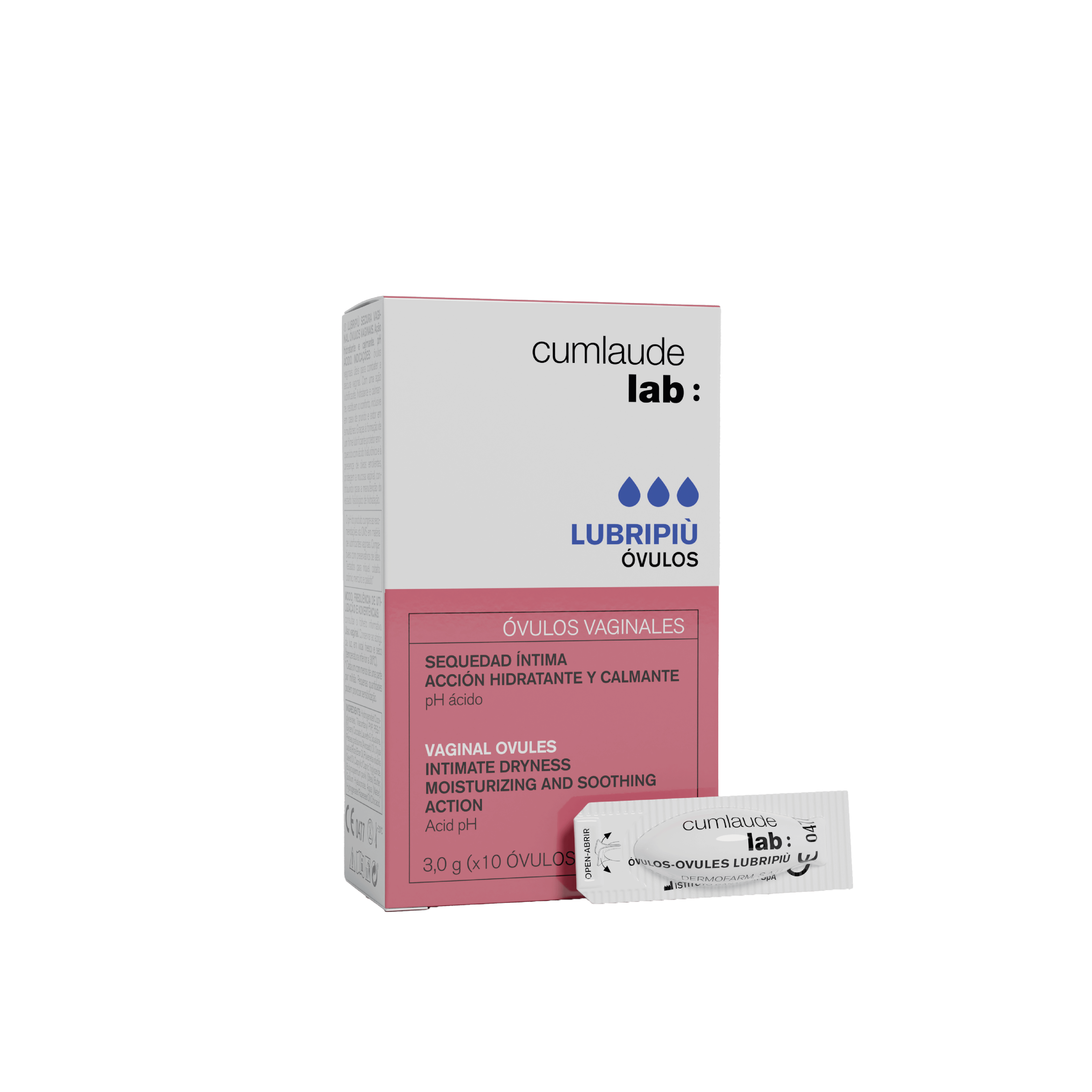
Non-hormonal vaginal ovules help to reduce vaginal dryness and maintain proper internal moisture levels. - Use a suitable lubricant during sex
To reduce pain, opt for a water-based lubricant that mimics natural vaginal moisture. Choose one with osmolarity below 380 mOsm/kg to avoid irritation and avoid products with fragrances, dyes, or harsh ingredients. A mucus-like formula is often the most comfortable.
The importance of professional support
It’s important to talk openly with your healthcare provider about any intimate symptoms you’re experiencing. A multidisciplinary approach involving gynecologists, oncologists, pelvic floor physiotherapists, and psychologists can significantly improve comfort and quality of life during and after treatment.
Frequently Asked Questions (FAQs)
- Can I have sex during cancer treatment?
Yes, you can, as long as you feel comfortable and with no medical contraindications. Using the right lubricant can help reduce pain during intercourse. However, it’s always best to check with your doctor first.
2. How does cancer treatment affect vaginal pH?
Treatment may increase vaginal pH (above 5.0), which can worsen dryness and raise the risk of infections. Using products with a physiological pH can help to maintain balance.
3. What products can I use to relieve vaginal dryness during cancer treatment?
Non-hormonal moisturizers and lubricants are generally recommended. Always use these products under medical advice or supervision.
Conclusion
Vaginal dryness and pain during sexual intercourse are common, yet often unspoken in women going through cancer treatment. Do not hesitate to share any intimate symptoms with your healthcare provider. They can guide you toward the right care and support. At Cumlaude Lab, we are committed to providing safe, effective, and gentle solutions to help women feel comfortable and confident in their intimate health.